Stratus
Stratus is a uniform, low, light grey layer with no visible structure — essentially a sheet of fog that formed above the ground rather than at it. It is the lowest of all cloud genera and produces at most drizzle.
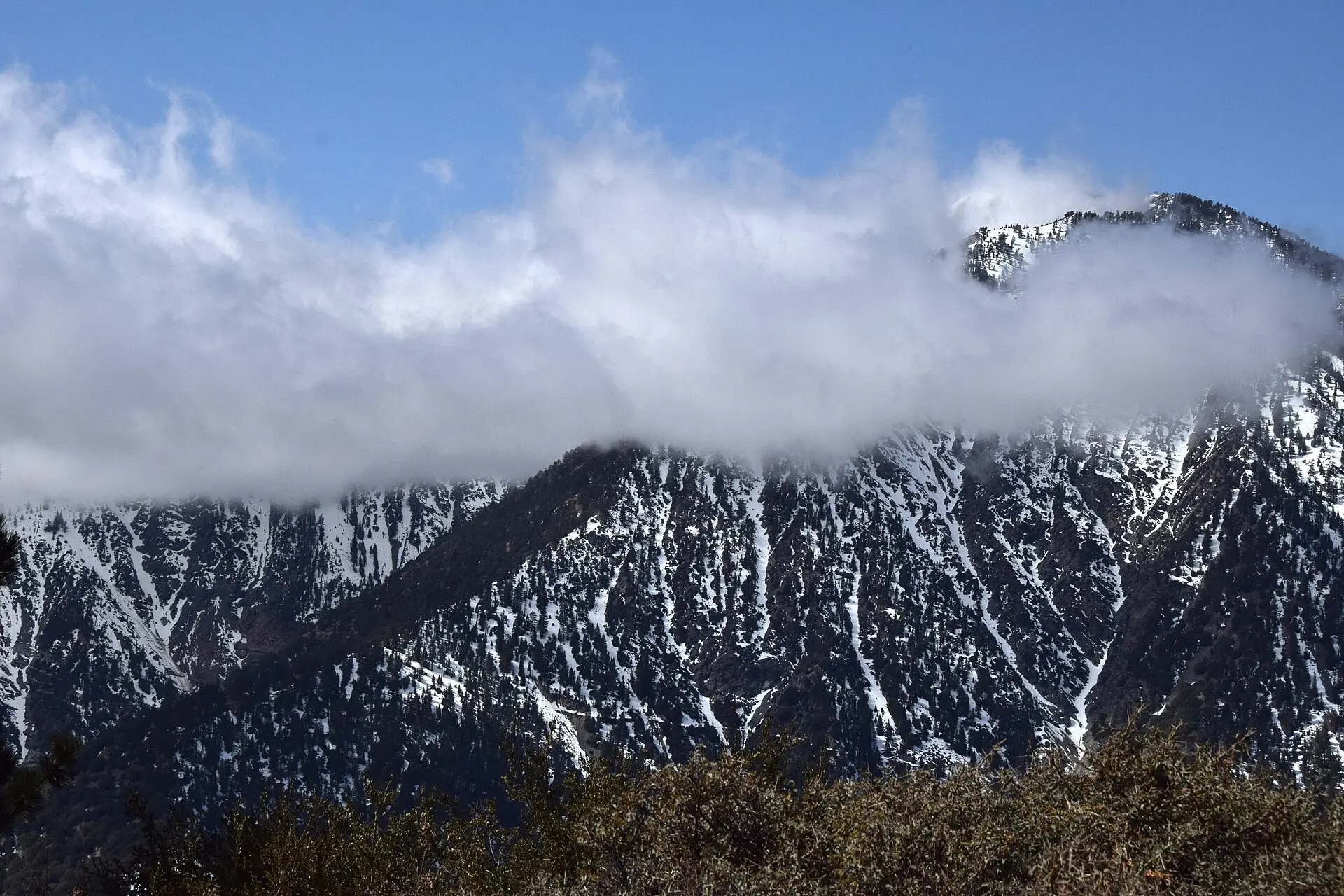
Photo: Tracie Hall from Orange County, us / CC BY-SA 2.0 · Wikimedia Commons
- Typical altitude
- Surface to 2,000 m (0–6,500 ft), often below 600 m
- WMO abbreviation
- St
- Altitude band
- Low clouds
- Also called
- fog that never touched down
How to recognise it
- A featureless, even grey layer covering the whole sky, with no rolls, lumps or gaps.
- The outline of the sun can often be made out through it as a faint disc, unlike under nimbostratus.
- Low enough to cut off the tops of hills, tall buildings or ridgelines.
- When it breaks up it forms ragged shreds (Stratus fractus) rather than clean rounded shapes.
What weather it signals
- Drizzle, light snow grains, or nothing at all. Stratus is not a significant precipitation producer.
- It typically means a grey, still, cool day with poor visibility and little change until it burns off.
- Morning stratus often dissolves by midday as the ground warms and mixes the layer away.
How to photograph it
- Photograph it where it intersects something — a hillside, a bridge tower, a line of trees. That contact point is the whole picture.
- The soft, shadowless light under stratus is excellent for portraits and detail work, even though the sky itself is dull.
- Do not include much sky. A large area of flat grey adds nothing to the frame.
Fun facts
- Stratus and fog are physically the same thing. The only distinction is whether the cloud base touches the ground: if it does, it is fog; if it sits just above, it is stratus.
- It is the lowest of the ten genera and the one most often walked through by people on hills without realising they are inside a cloud.
- Stratus can form simply by fog lifting a few tens of metres as the ground warms in the morning.
Easily confused with
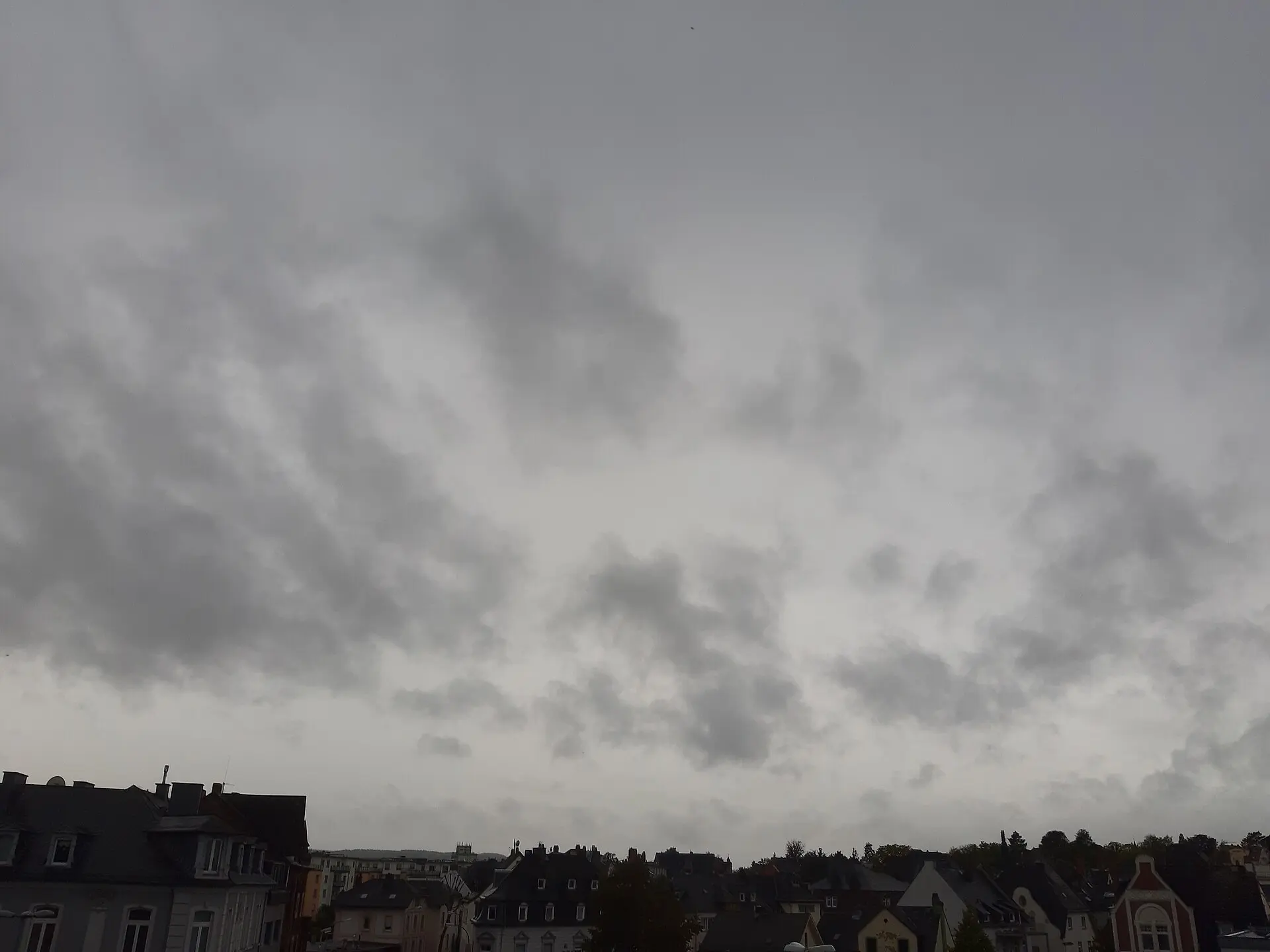
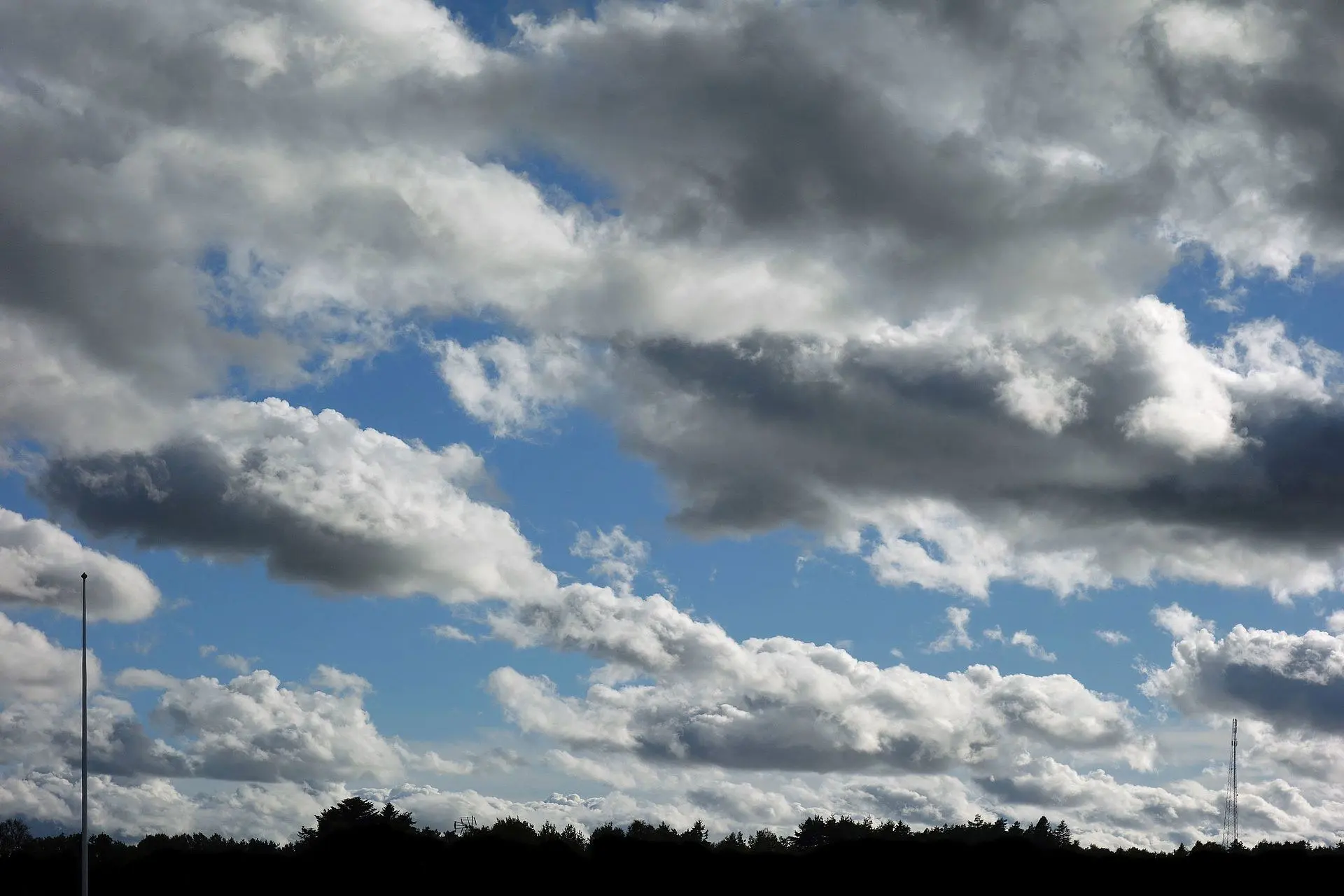
.jpg)
Frequently asked questions
Is stratus the same as fog?
Physically, yes — both are a layer of tiny water droplets. The classification depends only on height: if the layer is in contact with the ground it is fog, and if its base is above the ground it is stratus. Morning fog frequently becomes stratus as it lifts.
How do I tell stratus from nimbostratus?
Brightness and rain. Stratus is light grey, thin enough that the sun is often faintly visible through it, and gives at most drizzle. Nimbostratus is dark, completely opaque and produces steady rain or snow for hours.
Will stratus clear up?
Often, yes. Stratus that forms overnight commonly dissolves during the morning as the sun heats the ground and mixes the layer away. If it persists through the afternoon, it usually means a moist air mass is being held in place by an inversion.
Not sure what you are looking at?
Point your iPhone at the sky and let Cloud ID name it for you — with three ranked candidates and the reasoning behind each one.
Download on the App Store